
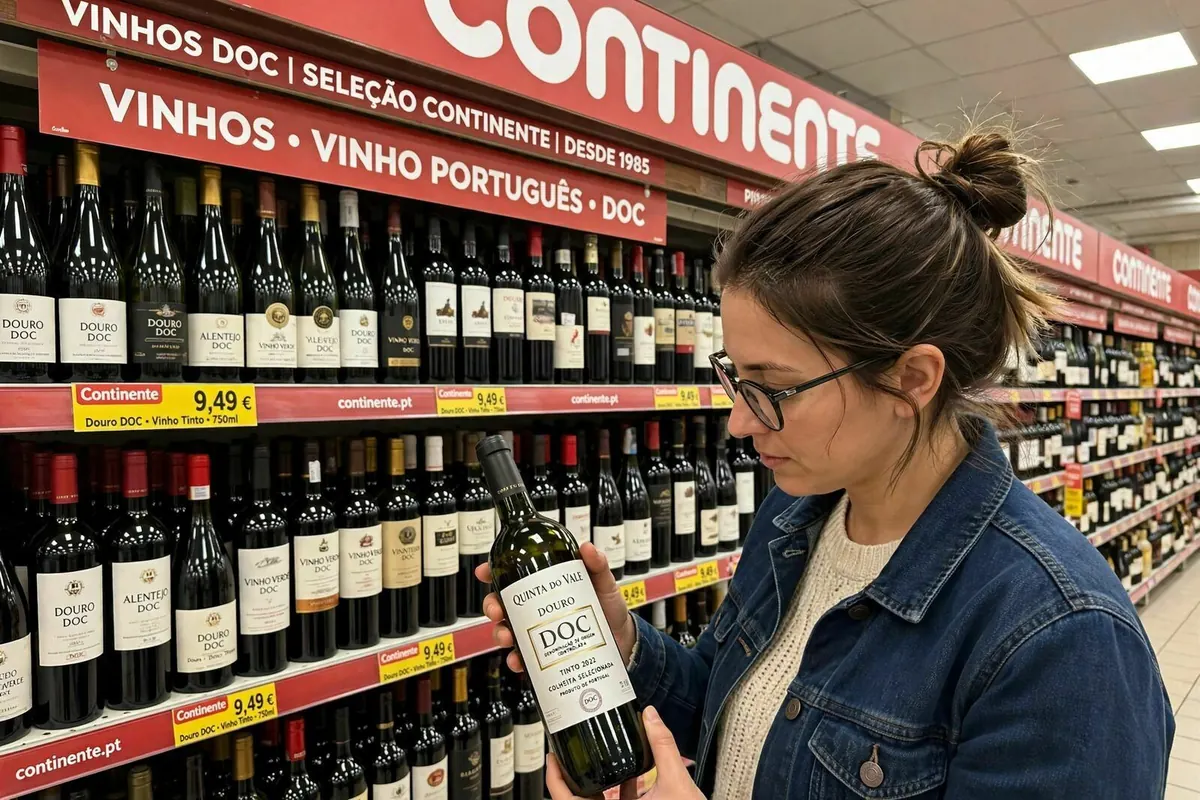
A supermarket aisle with dozens of bottles between €3 and €15 can be intimidating. Choosing well does not require being an expert: you just need to know how to look for the right signs on the label.
This guide helps you choose wine in the supermarket without relying solely on the beautiful design of the label or medals, which often say little about the real quality.
What really matters on the label
- DOC vs. Regional:DOC (Controlled Designation of Origin), defined by theVine and Wine Institute, follows stricter production rules; Regional wines have more freedom, which doesn’t necessarily make them worse, just different.
- Harvest (year):for white and green wines, prefer the most recent ones; Mid-range reds hold up better for a few more years.
- Alcohol content:generally, the lower it is, the lighter and easier to drink at lunch; higher levels indicate more intense and concentrated wines.
- “Bottled at origin”:It is usually a sign of greater quality control on the part of the producer himself.
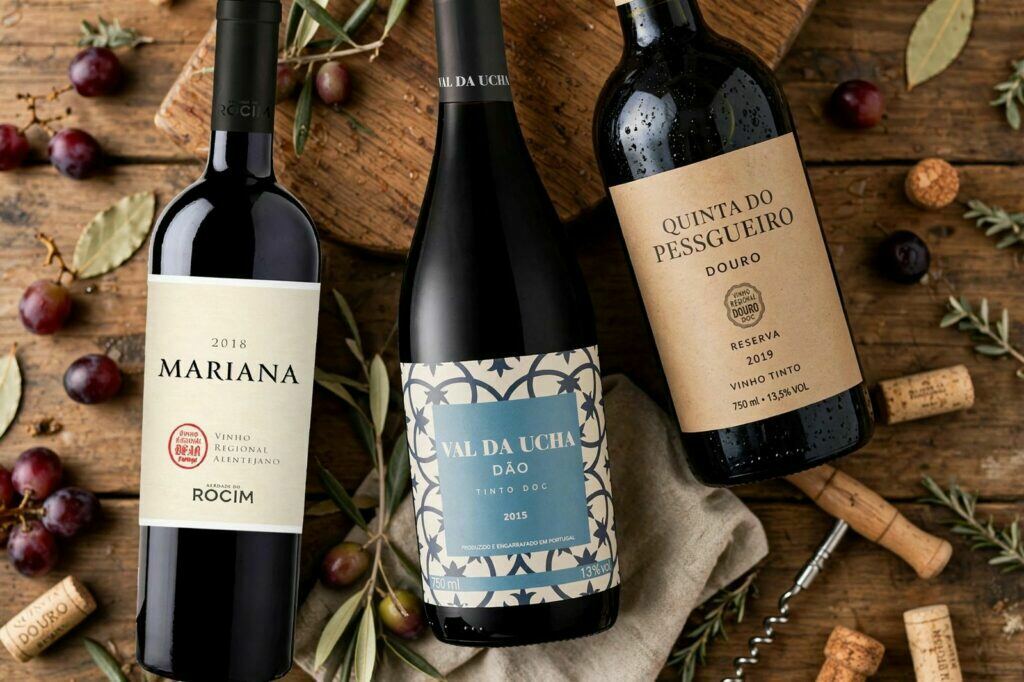
Where is the best price-quality
Generally speaking, in the range between €4.5 and €7, you can usually find a good relationship between price and quality in Portuguese supermarkets. Below €3, you are more likely to be paying essentially for alcohol; Above €10, part of the price tends to reflect marketing and branding, not necessarily proportional quality.
Simple pairings
- Vinho verde: good with grilled fish and fresh salads.
- Lighter Douro red: goes well with grilled meats.
- Alvarinho: pairs well with seafood.

5 mistakes to avoid
- Choose just based on the medal or award on the label, without checking the rest of the information.
- Deciding just on the stopper (cork vs. screw): today both can indicate good quality.
- Store red in the kitchen, close to the heat of the stove.
- Always buy the same brand without trying alternatives in the same price range.
- Completely ignore the harvest, especially with white wines.